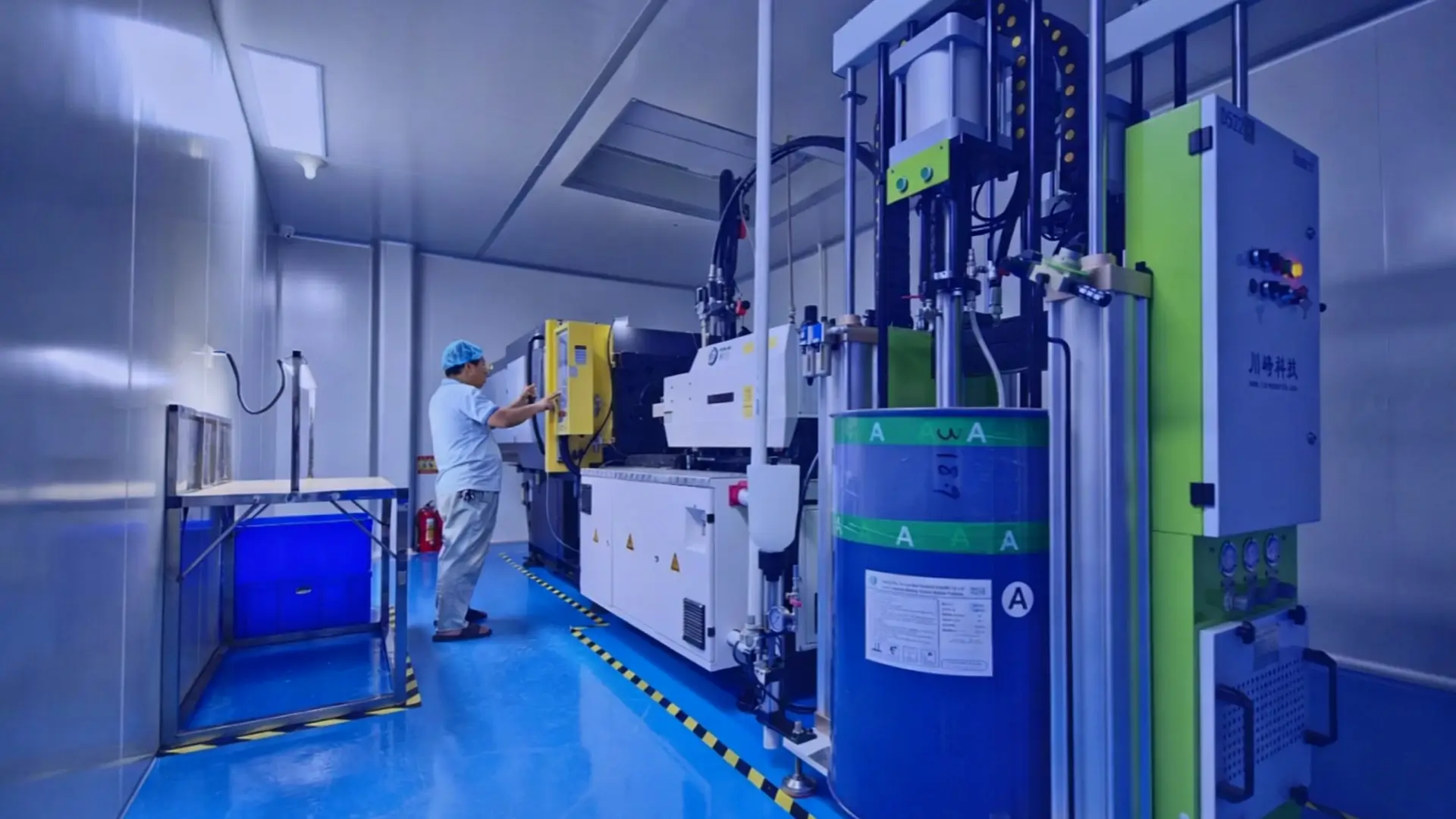
ISO 13485 · CLASS 100,000 CLEANROOM · CUSTOM TOOLING · GLOBAL OEM MANUFACTURING
Custom Silicone Manufacturing for Medical, Optical, Industrial, and Consumer OEMs
From medical-grade LSR components and optical silicone lenses to industrial sealing systems and maternal care products — we help OEM engineering teams solve complex silicone challenges through precision molding, in-house tooling, and DFM support.
ISO 13485 Certified | Class 100,000 Cleanroom | In-House Tooling | DFM Review in 24 Hours
Why Silicone Works Across So Many Industries
Silicone outperforms conventional elastomers in biocompatibility, optical clarity, thermal stability, and long-term sealing reliability — properties that matter in environments where conventional materials fail. We turn these material properties into production-ready components through precision molding, engineering validation, and design-for-manufacturing support from concept through mass production.
Technical Capabilities
Common Engineering Challenges We Help Solve
Most silicone project failures are caused by manufacturing risks that were not identified early enough — not by the silicone material itself.
Precision Sealing
Where leakage is never acceptable
Most sealing failures trace back to design stage decisions — not material quality. Common causes include compression set under prolonged load, dimensional variation between batches, flash at sealing interfaces creating leakage paths, and surface contamination during assembly.
We evaluate shutoff design, parting line position, and compression behavior at DFM stage — before tooling investment begins.
Optical Performance
Where UV stability defines product life
PC and PMMA optics reliably serve indoor, low-temperature applications. But under continuous LED heat, UV exposure, or outdoor conditions, these materials yellow, crack, and lose transmission stability over time.
Optical-grade silicone maintains transmission stability and UV resistance across temperature ranges and exposure durations where rigid plastics fail.
Biocompatibility & Safety
Where zero chemical migration is the baseline
For medical devices and maternal care products, material safety is not a feature — it is the minimum acceptable standard. Residual peroxide from curing, plasticizer migration, and undocumented material substitutions are the most common compliance failure causes.
We use platinum-cured, fully traceable silicone compounds from certified global suppliers, with batch-level documentation available for every production run.
Multi-Material Integration
Where silicone must bond permanently to rigid structures
Silicone overmolding failures most commonly occur at the bonding interface — caused by insufficient substrate surface energy, unstable primer activation, or thermal expansion mismatch that only becomes visible during production runs.
We evaluate substrate preparation strategy, bonding primer compatibility, and shrinkage behavior at DFM stage to prevent delamination before tooling investment begins.
Industry Solutions
Six specialized application areas where our silicone engineering capabilities deliver the highest value for OEM manufacturers.
Medical & Bio-Healthcare
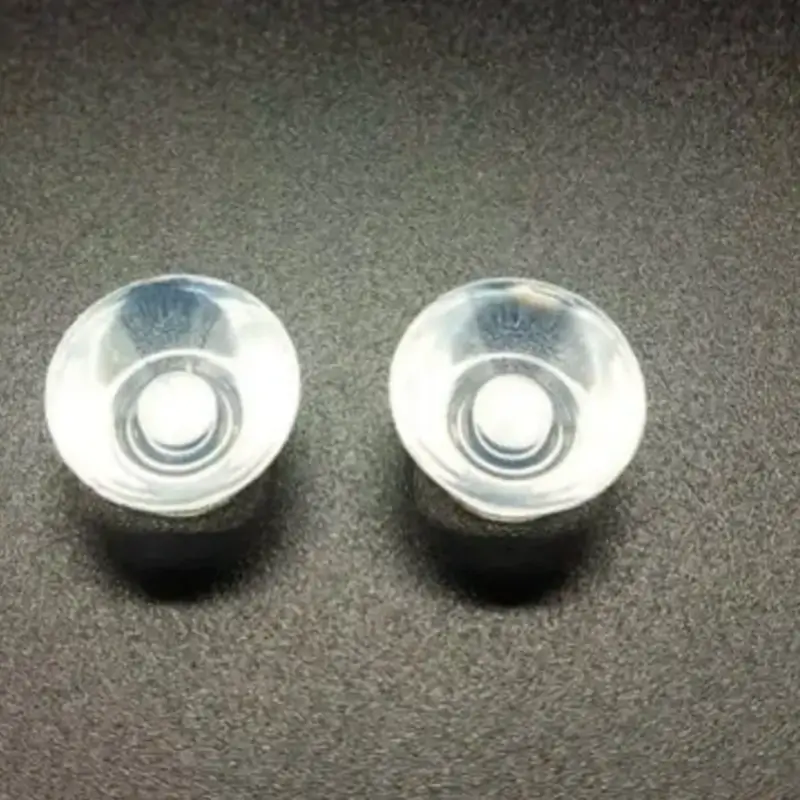
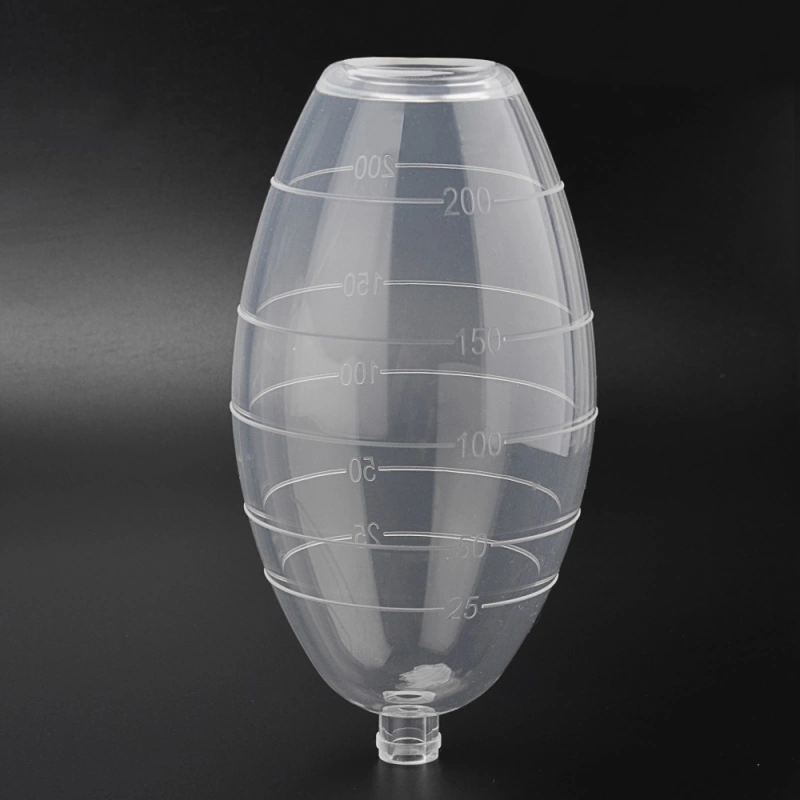
Optical Silicone Lenses
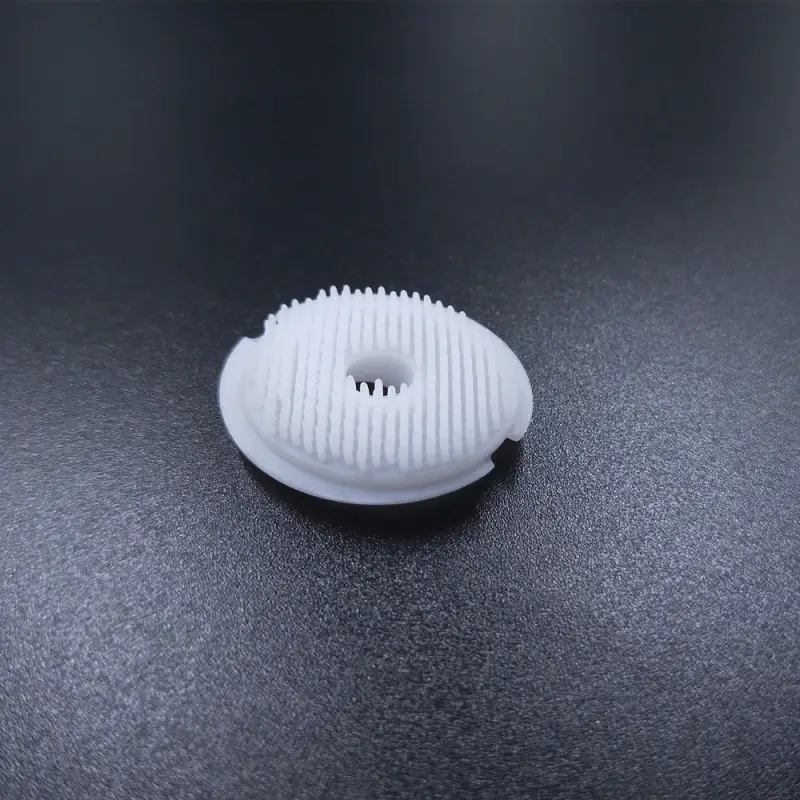
Beauty & Personal Care
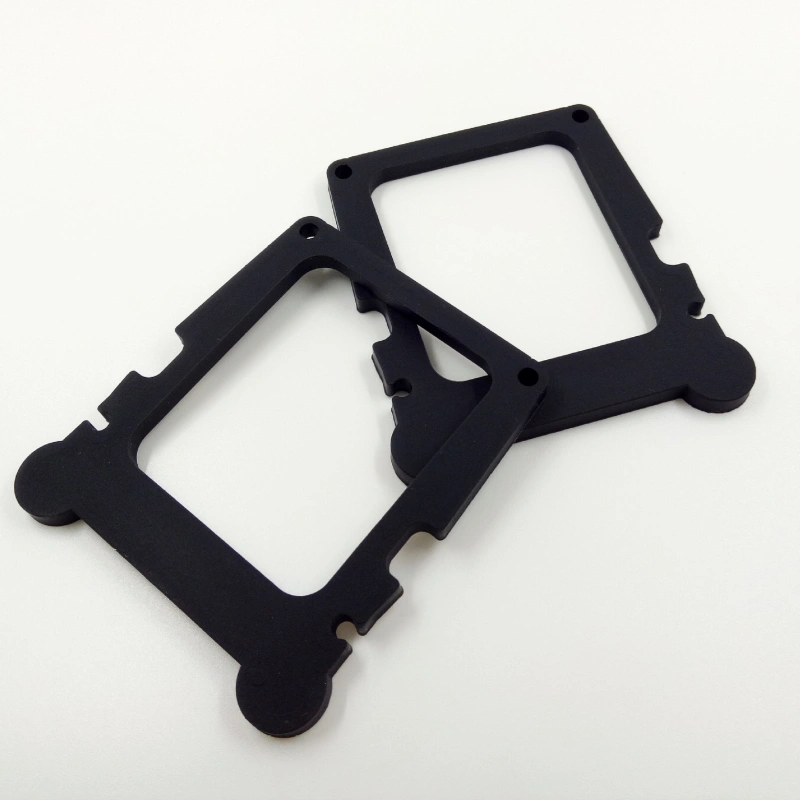
Precision Sealing Systems
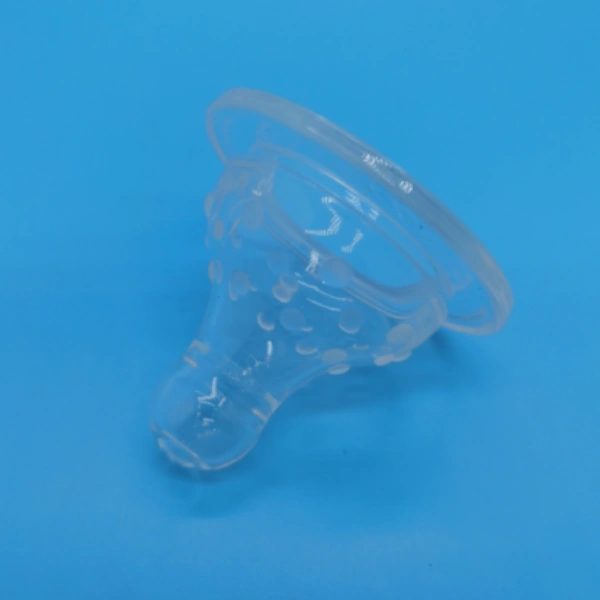
Maternal & Pediatric Care
Custom Manufacturing Projects
Non-standard geometries, overmolding assemblies, and complex silicone components manufactured from your approved CAD designs. DFM review included on every program.
Why Manufacturers Choose SiliconeO
Six capabilities that define how we support OEM engineering teams from first drawing to production delivery.
Certified since 2014
Real-time particle monitoring
T1 samples in 2–3 weeks
DFM feedback in 24 hours
Certified compounds
No fixed MOQ across all industries
From Approved 3D Drawing to Production
Our engineering support extends throughout the entire product development lifecycle.
| Development Stage | Our Support | Typical Timeline |
|---|---|---|
| Concept | Engineering consultation and material selection | Same day |
| Design | DFM review and manufacturability analysis | 24 hours |
| Prototype | Rapid tooling and T1 sample production | 2–3 weeks |
| Validation | Process optimization and first article inspection | 1–2 weeks |
| Pilot Production | Low-volume manufacturing and process verification | Per program |
| Mass Production | Full-scale manufacturing with batch traceability | Per program |
We support projects at any stage of development — from early concept review hrough to ongoing production programs. There is no fixed entry point or minimum ommitment required to begin an engineering conversation.
FAQ for Specific Industry Applications
Q1: Are your silicone materials compliant with global medical and food safety standards?
Yes. All our materials for Medical and Maternal applications are sourced from certified global leaders (Wacker, Dow, Shin-Etsu) and comply with FDA 21 CFR 177.2600, LFGB, and USP Class VI. We provide full material traceability and compliance certificates with every batch.
Q2: Can you handle complex micro-sized components for electronics or medical devices?
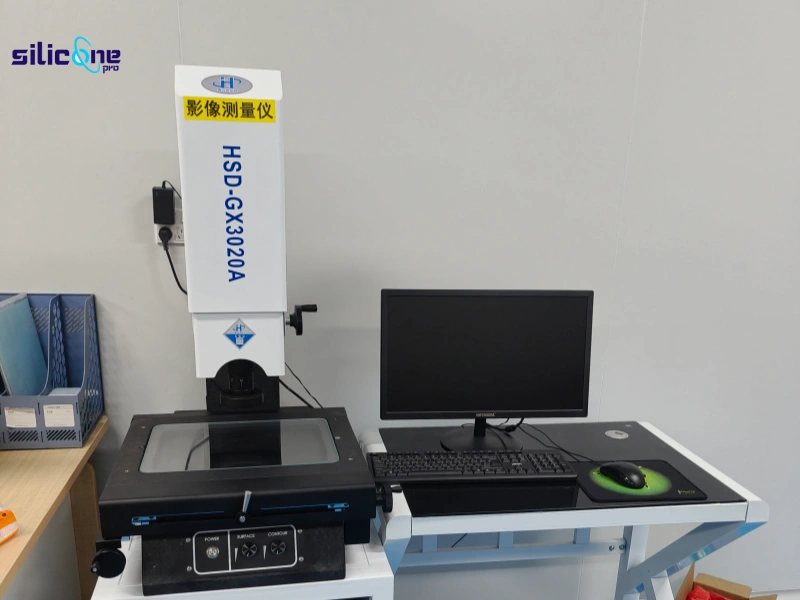
Specialized in Micro-LSR molding, we can manufacture components with shot weights as low as 0.05g. Our high-precision tooling ensures stable production for micro-seals and intricate interface components with tolerances up to ±0.02mm.
Q3: Do you provide multi-material bonding (Overmolding) for waterproof applications?
Yes. We have extensive experience in Silicone-to-Plastic and Silicone-to-Metal overmolding. This is ideal for achieving IP67/IP68 waterproof ratings in wearables and industrial enclosures, eliminating the need for manual assembly and reducing failure risks.
Q4: How do you ensure optical clarity for silicone lenses and lighting components?
For Lighting & Optics, we use ultra-transparent optical LSR and specialized vacuum injection processes to eliminate micro-bubbles. Combined with our high-gloss S136 mold finishing, we ensure maximum light transmission and UV stability.
Q5: Can I request a DFM review for my specific industry requirements?
Absolutely. We offer complimentary DFM (Design for Manufacturability) reviews tailored to your industry’s specific challenges. Our engineering team will analyze your CAD files and suggest optimizations for performance and cost-efficiency within 24 hours.
Q6:Which industries do you have the most engineering experience serving?
Our deepest engineering experience is in medical-grade LSR components, precision optical silicone lenses, and industrial sealing systems. We also support maternal care, beauty and personal care, and custom OEM engineering projects across multiple sectors — from prototype through high-volume production.
Q7: Can you support multi-industry OEM programs requiring different silicone grades?
Yes. We manage programs requiring simultaneous medical-grade, food-grade, and industrial-grade silicone production, each under the appropriate quality protocols, material traceability systems, and compliance documentation.
Q8:What silicone materials and grades do you support?
We support medical-grade LSR and HCR, food-grade and FDA-compliant silicone,
optical-grade transparent LSR, industrial-grade HCR with specialized compound options including flame-retardant UL94-V0 and conductive grades, and custom-formulated silicone based on application-specific requirements.
Q9:Can silicone be bonded directly to plastic or metal substrates?
Yes. We provide silicone overmolding onto PC, ABS, PA, PBT, PEEK, stainless steel, and aluminum. Bonding strategy — including surface preparation, primer selection, and shrinkage management — is evaluated during DFM review to prevent elamination before tooling investment begins.
Q10:Do you support low-volume validation before production tooling commitment?
Yes. Single-cavity prototype tooling and pilot production options are available across all industries. We support projects from first prototype validation through to multi-million piece annual programs. There is no fixed MOQ.
Q11:What is your DFM review process and how long does it take?
Our DFM review covers geometry feasibility, gate location, venting strategy, flash risk, tolerance behavior, and material suitability for your application environment. Initial DFM feedback is delivered within 24 hours of receiving your STEP or 2D drawing file, under strict Mutual NDA.