IN-HOUSE TOOLING · DFM REVIEW · T1 VALIDATION
Custom Mold Design & In-House Tooling for Faster Product Launches
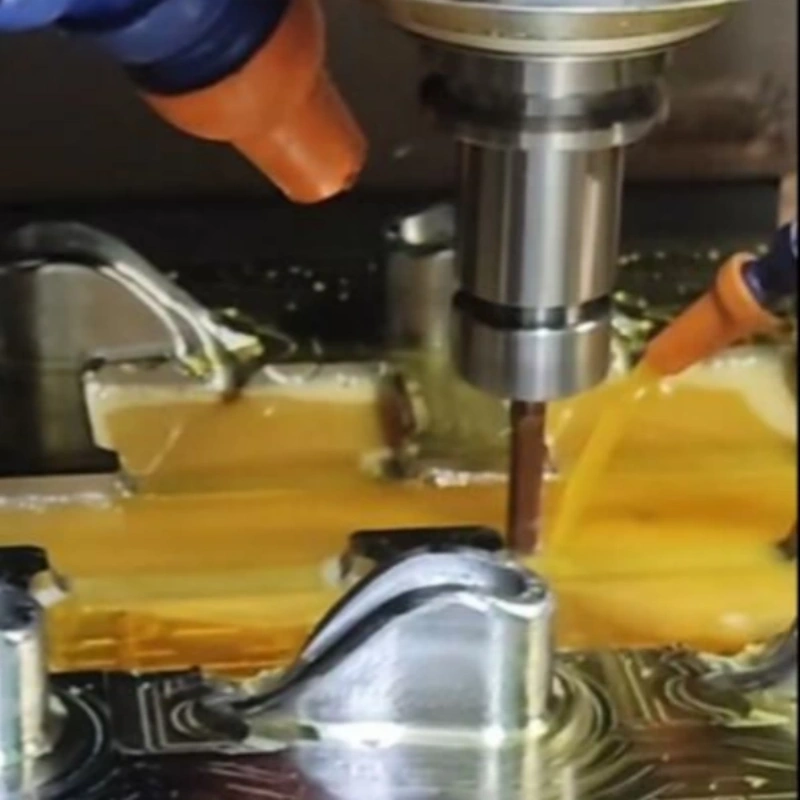
In-house tooling means your DFM review, mold engineering, and T1 validation happen under one roof. From first drawing to production-ready steel, every stage is controlled internally to reduce risk and shorten development timelines.
NDA signed immediately · Tool ownership available · Global OEM support
Why Tooling Determines Product Success
Most buyers don’t think about the mold — until something goes wrong. A poorly designed mold directly affects part quality, production efficiency, and long-term manufacturing cost.
Our engineering-first approach minimizes these risks before a single piece of steel is ever cut.
The Advantage of In-House Tooling
When engineering and tooling teams work under the same roof, every stage moves faster and every problem gets solved sooner.
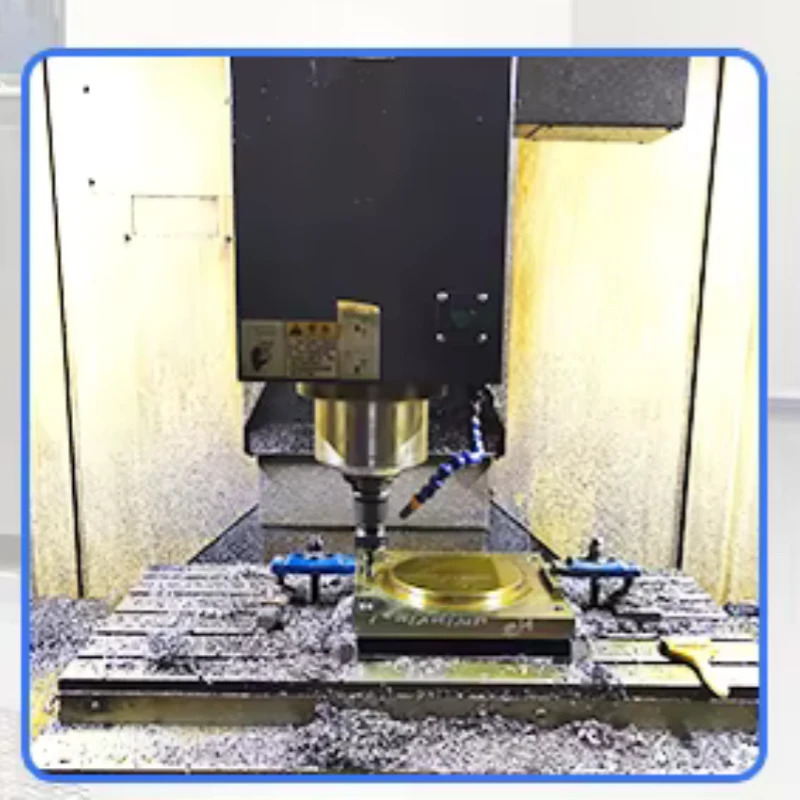
Engineering Before Steel
We resolve manufacturability risks at the design stage — not after tooling investment.
01
DFM Analysis
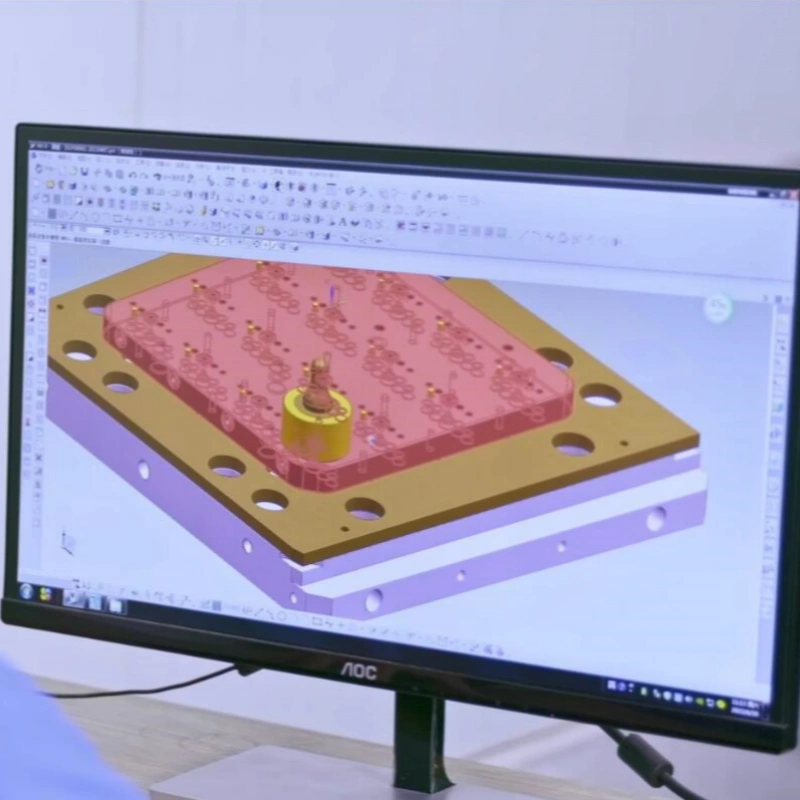
Every custom mold project begins with a comprehensive Design for Manufacturability review. We identify parting line risks, gate feasibility, undercut challenges, wall thickness issues, and draft angle requirements before tooling begins.
DFM findings documented and delivered within 24 hours of receiving your STEP file.
02
Mold Flow Simulation
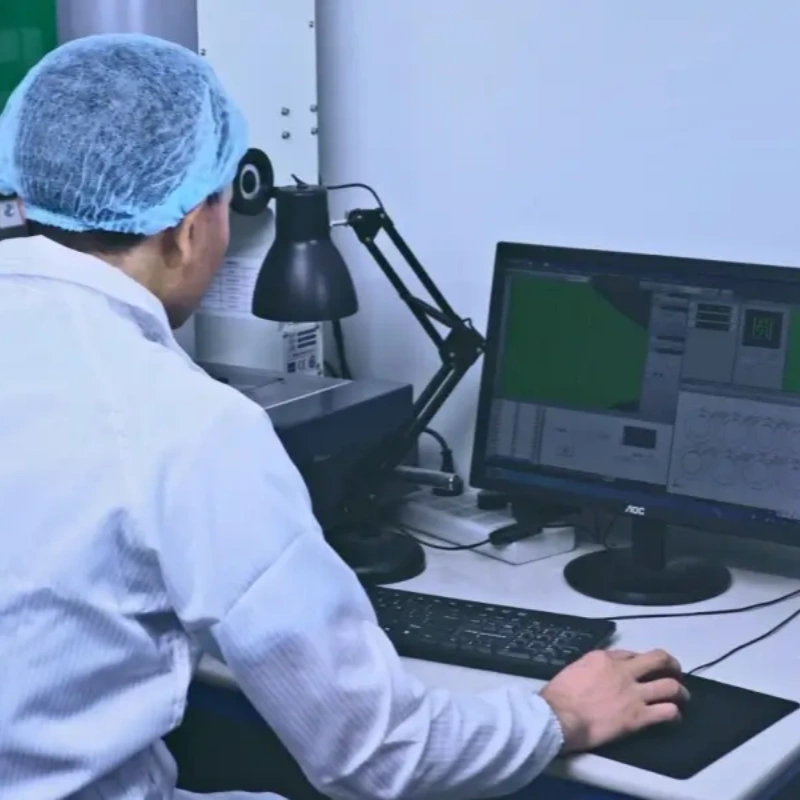
Before tooling begins, we simulate filling patterns, weld line positions, air trap locations, and cooling efficiency. This allows us to optimize gate location, runner balance, and cooling channel design before steel is touched.
Simulation results shared with customer during DFM review stage.
03
Tool Design Optimization
Our tooling engineers optimize cooling circuit layout, ejector pin positioning, and cavity balance before machining begins. This directly reduces cycle time, improves dimensional stability, and extends tool life across production runs.
In-house tooling designed for 300,000 to 1,000,000+ shot life depending on material and application.
Accelerating Your T1 Success
Our integrated engineering and tooling workflow is designed around one goal — getting you to production-ready parts faster.
2–3
Weeks
Typical T1 cycle from drawing approval
95%+
First-Shot
Accuracy target for T1 samples
100%
Inspection
Full dimensional report included with every T1
1M+
Shot Life
Available with S136 premium tool steel
DFM Review
→
Tool Design
→
Tool Manufacturing
→
T1 Sampling
→
FAIR Inspection
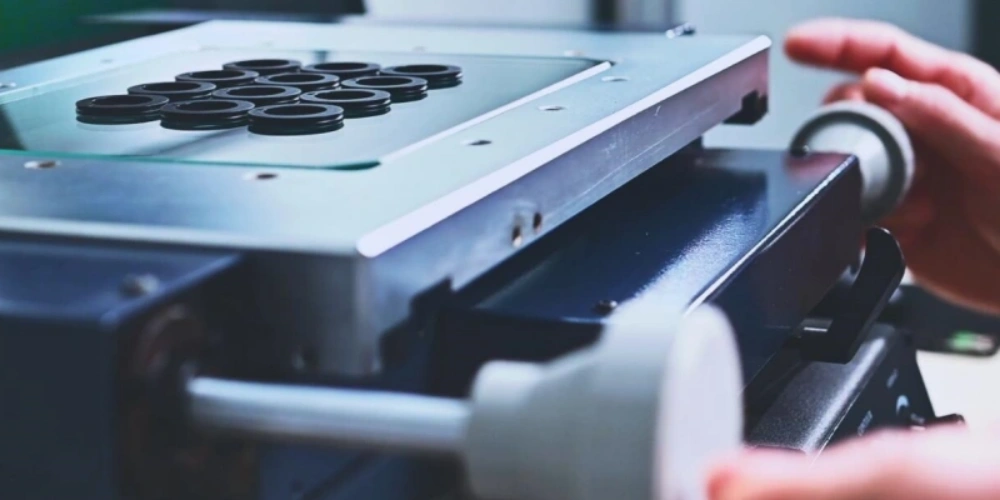
Dimensional inspection report included with every T1 sample submission.
Tooling Specifications
Every mold is engineered to your application requirements — from prototype tooling to Class 101 high-volume production molds.
| Category | Specifications |
|---|---|
| Tool Steel Options | S136 / H13 / P20 / 718H / NAK80 |
| Mold Base Systems | LKM / HASCO / DME compatible |
| Manufacturing Equipment | High-Speed CNC / Mirror EDM / Wire Cut EDM / CMM Inspection |
| Standard Tolerances | ±0.05mm machining precision |
| Tool Life | 300,000 to 1,000,000+ shots depending on steel grade |
| Cavity Options | Single-cavity to multi-cavity production tooling |
| Hot Runner Systems | Available for LSR and thermoplastic applications |
| Export Options | Tool ownership and export available upon request |
Industries We Support
Our tooling capabilities are optimized for industries where precision, reliability, and fast development cycles matter most.
Also serving Beauty & Personal Care and Maternal & Infant Care applications.
Frequently Asked Questions for Custom Mold Design
A1:From drawing approval, standard T1 tooling is completed in 2–3 weeks. Complex multi-cavity or high-volume Class 101 tooling requires 4–6 weeks. DFM feedback is provided within 24 hours of receiving your STEP file.
A2:We recommend S136 stainless tool steel for medical and food-contact applications due to its corrosion resistance, mirror-polish capability, and long tool life of 500,000 to 1,000,000+ shots. P20 and H13 are recommended for industrial and general-purpose applications.
A3:Yes. We provide bridge production runs between prototype validation and full-scale manufacturing. This is particularly useful for medical device launches and early-market consumer products.
A4:By default, molds are stored and maintained at our facility to ensure production stability. Tool ownership transfer and export to customer facilities are available upon request with documented NDA terms.
A5:No fixed MOQ. We support projects from single-cavity prototype tooling through to high-volume multi-cavity production molds. Project scope is evaluated during the DFM review based on your volume requirements and application.
NDA PROTECTED · 24H DFM FEEDBACK · IN-HOUSE TOOLING
Turn Your CAD Files Into Production-Ready Parts Faster
Whether you are developing a medical device, industrial component, or precision electronic part, our engineering and tooling teams work under one roof to reduce development risk and accelerate your market launch.