SIlICONE OVERMOLDING & MULTI-MATERIAL BONDING SPECIALIST
Precision Silicone Overmolding & Multi-Component Solutions
Permanent LSR bonding onto stainless steel, aluminum, PC, PBT, and PEEK — engineered to survive autoclave sterilization, IP68 immersion, and million-cycle mechanical fatigue without delamination.
NDA signed immediately · Self-bonding LSR grades available · Medical and industrial validated
Engineering-First Overmolding Capabilities
Three core engineering competencies that determine whether an overmolding program succeeds in production — not just at prototype.
Self-bonding LSR grades eliminate primer dependency for metal substrates — reducing process variables and improving production bond consistency.
Why Silicone Overmolding Projects Fail in Production
Most silicone overmolding failures occur at the bonding interface — not during molding. And most of them are invisible at prototype stage.
All eight failure causes are evaluated and documented during our DFM review — before a single piece of steel is cut.
Substrate Bonding Capabilities
Each substrate material presents different bonding challenges. Here is how we engineer the solution for each.
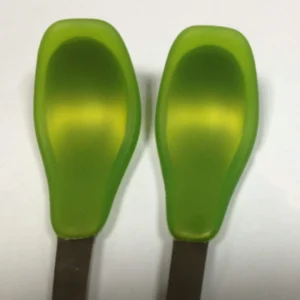
Stainless Steel & Aluminum
Metallic substrates have naturally low surface energy and may carry oxide layers or passivation coatings that prevent chemical bonding.
Surgical grips · Medical sealing interfaces · Industrial valve bodies · Waterproof connectors
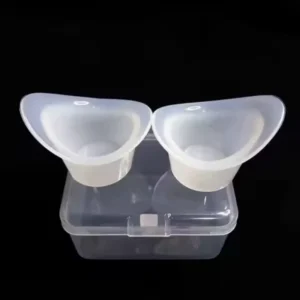
PC / PBT / PA66 / PEEK / PPSU
Engineering plastics require primer activation within a defined time window. Heat-sensitive grades like PC also risk warping under standard LSR cure temperatures.
Wearable housings · Medical handles · Electronic enclosure sealing · Ergonomic interfaces
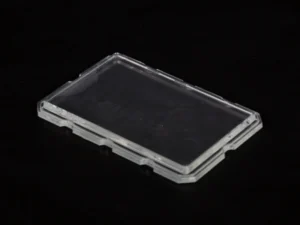
Borosilicate Glass & Ceramic
Glass is dimensionally stable but brittle. Thermal stress from LSR injection can cause micro-cracking if thermal gradients are not controlled during molding.
Optical lens sealing · Lab equipment · Medical sensor windows · Sight glass assemblies
Controlled Overmolding Workflow
Every overmolding program follows a documented five-stage process where bonding quality is engineered at each stage — not inspected at the end.
01
Plasma treatment achieves surface energy above 50 mN/m on metals. Chemical primer activation used for engineering plastics. Preparation completed within controlled time window before injection.
02
Inserts positioned using engineered mold location features. Position verified before each shot cycle to ensure consistent substrate alignment throughout the production run.
03
Real-time monitoring of injection pressure, flow rate, and cure temperature. Flow balance around insert geometry evaluated during DFM to prevent incomplete fill at bond edges.
04
Destructive pull-testing on validation samples confirms bond exceeds silicone tear strength. Medical programs include autoclave cycle and peel adhesion testing.
05
100% visual inspection for delamination and flash. Every batch ships with substrate lot, LSR material lot, process parameters, and bond verification results.
Bond strength consistently exceeds the tear strength of the silicone itself — meaning the silicone tears before the bond interface fails.
Technical Specifications for Silicone Overmolding
Full process parameters and material compatibility data for silicone overmolding programs.
| Parameter | Specification |
|---|---|
| Bonding Method | Self-bonding LSR / Chemical primer / Plasma treatment |
| Metallic Substrates | SS304 / SS316 / Anodized aluminum / Standard aluminum |
| Plastic Substrates | PC / PBT / PA66 / PEEK / PPSU / ABS |
| Other Substrates | Borosilicate glass / Technical ceramics |
| LSR Hardness Range | Shore A 20 – 70 |
| Bond Strength | Exceeds silicone tear strength (substrate dependent) |
| Sterilization Compatibility | Autoclave / EtO / Gamma ray validated |
| Dimensional Tolerance | ±0.1mm after overmolding (geometry dependent) |
| Quality Documentation | Pull-test data + full batch traceability per shipment |
| T1 Sample Lead Time | 2–3 weeks from drawing and insert approval |
Overmolding Engineering Applications
Three application categories where our overmolding capabilities deliver the highest engineering value.
01
Medical Device Overmolding
Medical silicone overmolding requires simultaneous compliance with biocompatibility, sterilization resistance, and dimensional stability. We process medical-grade self-bonding LSR onto stainless steel instruments, PC device housings, and PPSU autoclavable components under ISO 13485 quality protocols.
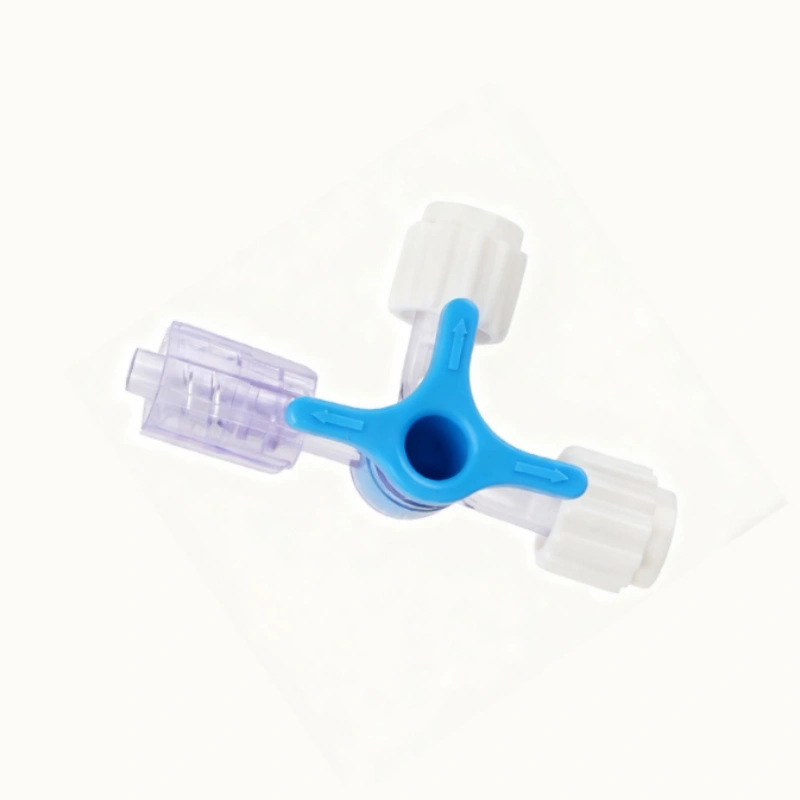
ISO 10993 compliant LSR validated for multiple autoclave cycles without bond degradation.
02
Industrial & Wearable Sealing
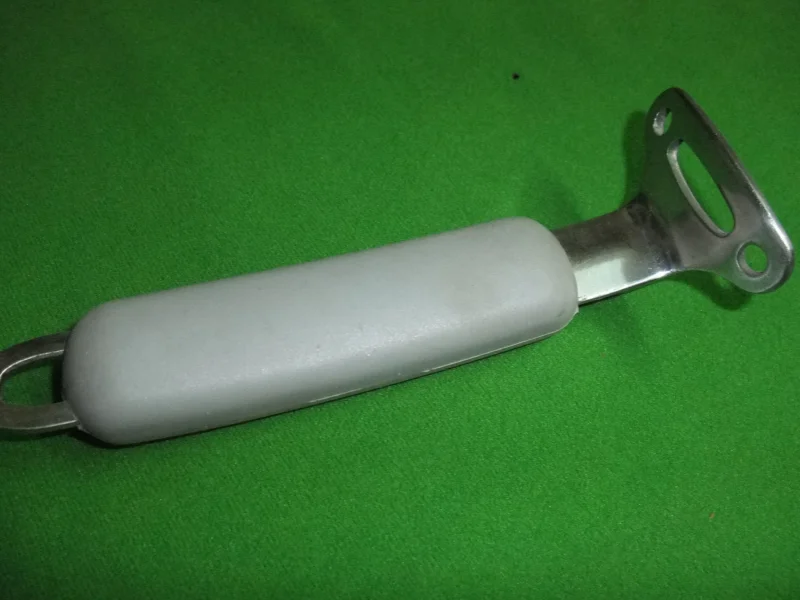
IP67 and IP68 waterproof assemblies require permanent bonds that maintain sealing integrity under immersion, thermal cycling, and vibration. We engineer overmolded sealing interfaces for wearables, industrial enclosures, and outdoor smart devices.
IP68 immersion resistance validated through 30-minute 1.5m depth testing.
03
Ergonomic Grip & Interface Components
Soft-touch silicone overmolded onto rigid substrates eliminates secondary assembly while improving grip, vibration damping, and user comfort. We support instrument handles, device grips, and multi-durometer components where Shore A is optimized for the specific ergonomic application.
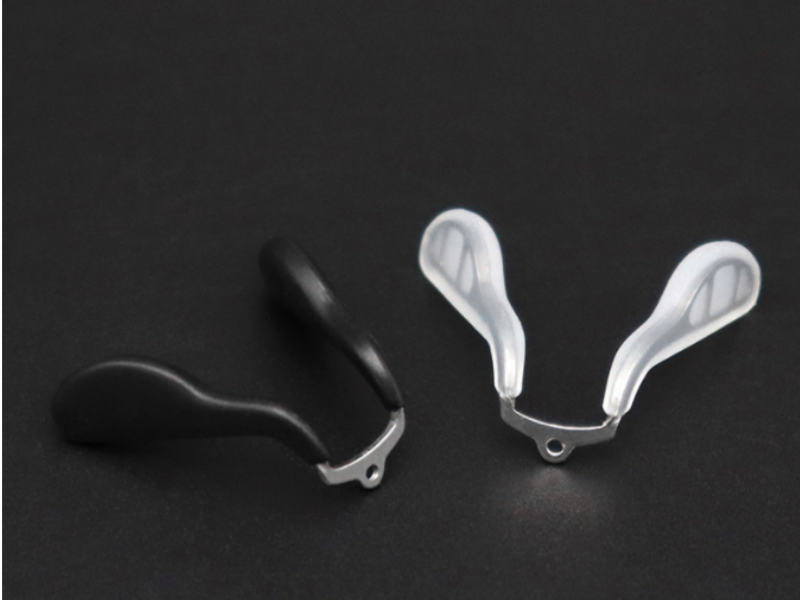
Multi-durometer overmolding available — different Shore A hardness zones in a single component.
Industries We Serve
Silicone overmolding delivers the highest value where assembly-based sealing, ergonomic integration, and permanent bonding are critical requirements.
Frequently Asked Questions for Silicone Overmolding
A1:Yes. We use low-temperature curing LSR grades to prevent substrate warping. Injection speed and pressure profiles are optimized during DFM to minimize heat transfer to heat-sensitive substrates including PC, PBT, and ABS.
A2:We use ISO 10993 compliant medical-grade self-bonding LSR validated for multiple autoclave cycles at 134°C. Sterilization cycle testing is performed on process validation samples before production release, included in the qualification documentation.
A3:PEEK and PPSU are most challenging due to their chemical resistance. We use specialized primer systems with controlled activation timing as a documented process parameter. Glass and ceramic substrates require thermal gradient management during injection to prevent micro-cracking — both validated through DFM before tooling begins.
A4:Yes. We process customer-supplied inserts regularly. Insert dimensional requirements, surface finish specifications, and pre-treatment needs are defined during DFM review. First-article insert samples are required before tooling completion to validate positioning and surface preparation compatibility.
A5:Our standard protocol includes destructive pull-testing with documented force-to-failure data. For medical applications, we additionally perform sterilization cycle testing, peel adhesion testing, and dimensional stability verification after thermal cycling. All results are included in the production qualification package.