COMPLEX SILICONE ENGINEERING SPECIALIST
Custom Silicone Molding Parts for Complex Engineering Applications
Precision manufacturing for complex silicone geometries, bonding interfaces, and tight tolerance programs — based on your engineering drawings.
8 Reasons Why Custom Silicone Projects Fail in Production
Most custom silicone programs fail not because of the material itself — but because critical manufacturing risks are not identified early enough during DFM.
These risks often remain invisible during prototype stages, but become severe and costly during volume production. Our engineering focus is identifying all eight before tooling begins.
How We Support Your Engineering Team
A structured six-stage process designed to eliminate manufacturing risk before production investment begins.
01
Initial CAD Review
Evaluation of geometry feasibility, undercuts, shutoff design, wall thickness transitions, and assembly interface risks.
02
DFM Risk Analysis
Identification of molding instability, venting concerns, flash risks, bonding challenges, and tolerance sensitivity zones.
03
Material Recommendation
Selection based on thermal exposure, compression set requirements, chemical resistance, and mechanical behavior in the target application.
04
Prototype Validation
Functional testing of sealing performance, assembly fit, bonding integrity, and production feasibility before tooling investment.
05
Pilot Production
Process stability verification under controlled production conditions before full-scale manufacturing commitment.
06
Process Optimization
Continuous improvement for yield consistency, dimensional stability, and long-term production reliability.
T1 functional samples delivered in 7–14 business days after drawing approval.
Engineering-First DFM Support
We review what most suppliers skip — and document every finding before a single piece of steel is cut.
Early-Stage DFM Risk Evaluation
The majority of silicone manufacturing issues originate long before tooling begins. Our engineering team reviews critical design elements during the DFM stage to identify risks that may affect production stability, sealing performance, assembly consistency, and long-term reliability.
We evaluate:
✔ Gate Location Strategy
✔ Venting Design
✔ Parting Line Position
✔ Shutoff Geometry
✔ Thin-Wall Stability
✔ Undercut Feasibility
✔ Tolerance Stack-Up
✔ Flash-Sensitive Areas
Zero sampling. Every optical section verified.
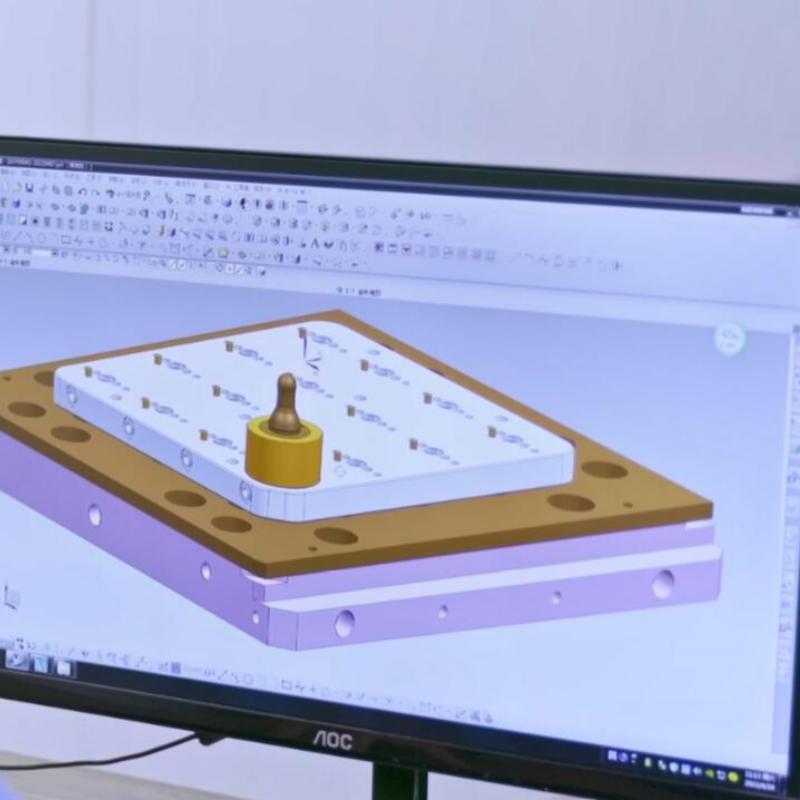
Engineering Example
A typical manufacturability issue identified during DFM review.
During a DFM review for a thin-wall silicone sealing component, we identified that the parting line was located directly on the sealing interface, creating a high risk of flash formation. By modifying the shutoff geometry and optimizing venting, the design was improved for more stable production and better assembly consistency.
Every project is reviewed for manufacturability before tooling begins.
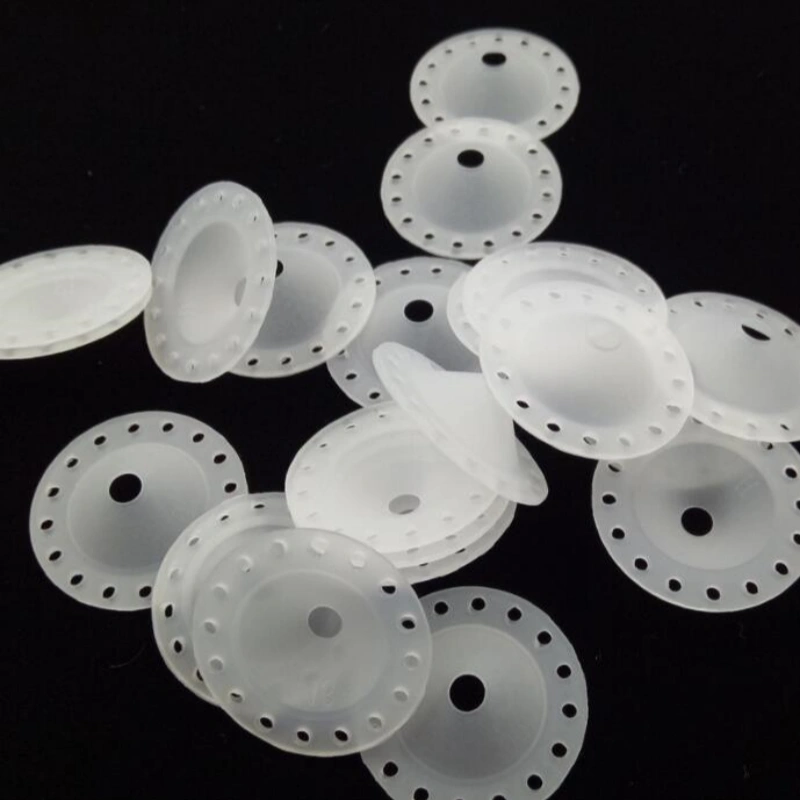
Precision Silicone Components
Many silicone components require more than basic molding capability. Features such as micro openings, thin walls, and complex internal geometries demand careful tooling design and process control to maintain dimensional consistency during production.
Our engineering team regularly supports projects involving:
✔ Multi-hole Features
✔ Thin-Wall Sections
✔ Medical Components
✔ Micro Features
✔ Precision Molding
Complex Geometry Molding
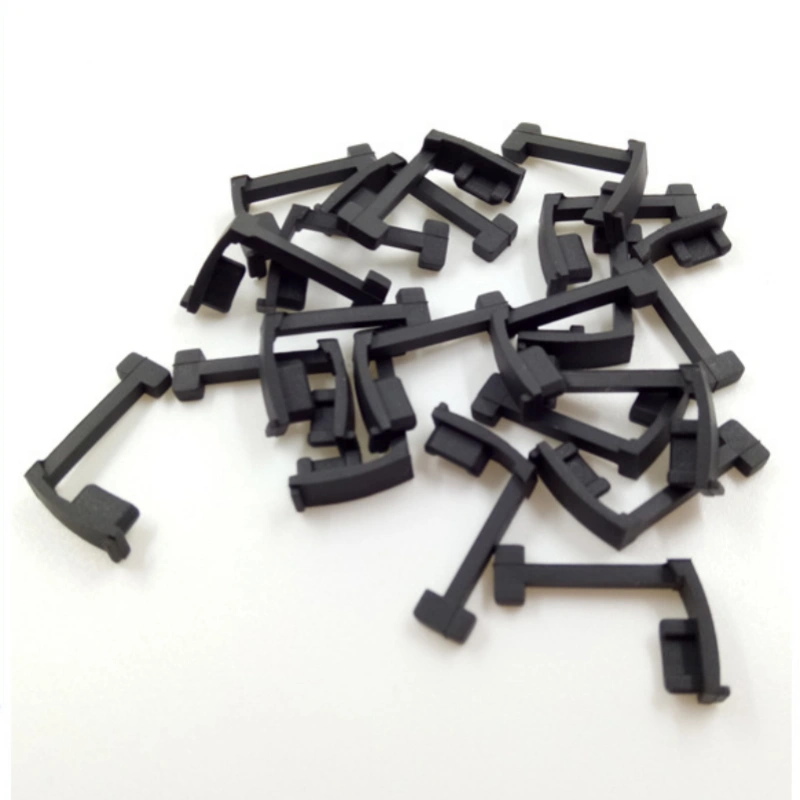
Functional silicone components often contain retention features, locking structures, and undercuts that create significant molding and demolding challenges. These geometries require careful consideration of mold design, shutoff locations, and elastic deformation behavior.
Typical projects include:
✔ Undercuts
✔ Retention Features
✔ Flexible Locking Structures
✔ Thin-Wall Sections
✔ Functional Silicone Components
Engineering Validation Capabilities
Engineering support extends beyond design review. Validation activities help confirm manufacturability, material selection, and production readiness before full-scale manufacturing begins.
| Engineering Area | Technical Support |
|---|---|
| CAD & Drawing Review | Manufacturability Assessment |
| DFM Evaluation | Risk Identification & Optimization |
| Mold Engineering | Gate & Vent Strategy Review |
| Material Selection | LSR, HCR, Medical & Industrial Grades |
| Silicone Bonding | Primer & Surface Treatment Support |
| Tolerance Control | ISO 3302 Guidance |
| Prototype Validation | Functional Sample Evaluation |
| Production Readiness | Tooling & Process Verification |
Our goal is not only to manufacture silicone components, but to help engineering teams reduce risk, improve production stability, and accelerate the path from concept to validated production.
Frequently Asked Questions for Custom Silicone Molding Parts
A: Yes. Many complex silicone components require functional validation before committing to multi-cavity production tooling. Depending on the project, we can support prototype tooling, single-cavity tools, pilot production runs, and engineering samples to verify fit, sealing performance, bonding integrity, and manufacturability.
This approach helps engineering teams identify potential design risks early and reduce the cost of changes before full-scale production begins.
A: Yes. A significant portion of the projects we receive involve components that have already experienced manufacturing, assembly, or field-performance issues.
Common problems include flash at sealing surfaces, dimensional instability, tearing during demolding, bonding failures, trapped air, and inconsistent assembly performance.
Our engineering team can review drawings, CAD files, samples, or production feedback to identify likely root causes and recommend design or process improvements before new tooling investments are made.
A: Yes. In many cases, the issue is not the silicone material itself, but how the geometry interacts with molding, venting, curing, demolding, or assembly requirements.
We regularly assist customers with redesigning components that present challenges such as:
- Deep undercuts
- Thin-wall sections
- Complex sealing geometries
- Multi-material overmolding
- Tight assembly tolerances
- Difficult demolding conditions
- Our goal is to preserve the functional intent of the design while improving manufacturability, production stability, and long-term reliability.
A: Absolutely. We understand that many custom silicone projects involve proprietary products, new developments, or confidential engineering information.
We are happy to sign a Mutual Non-Disclosure Agreement (NDA) before reviewing drawings, CAD files, specifications, or project documentation. Confidentiality protection is a standard part of our engineering review process.